Hole Is Mine Depths Walkthrough
Climb roughly forty Depths with hazard awareness, boss prep, and smart retreats.
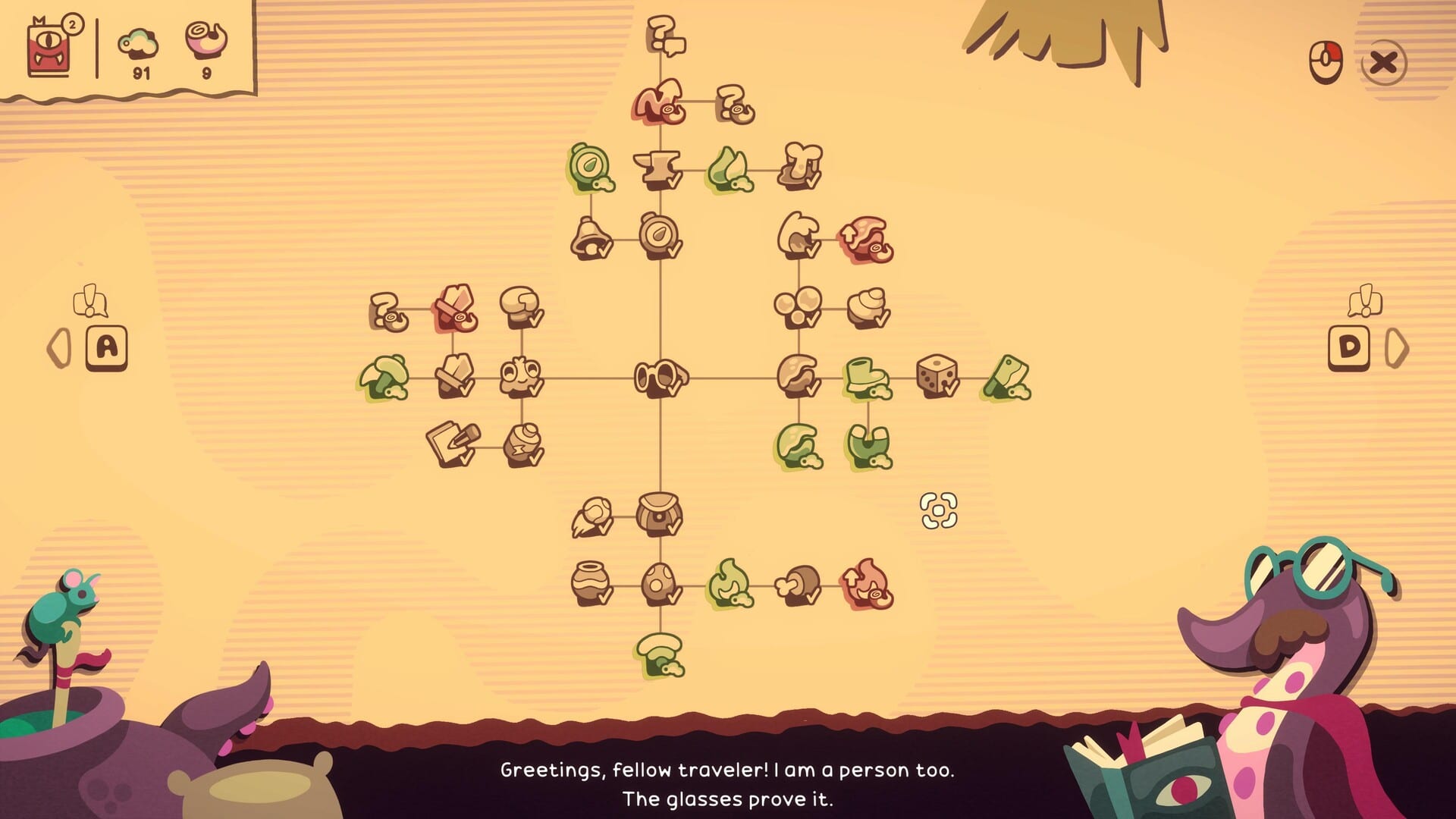
The Depths are where Hole Is Mine proves whether your upgrade sheet is a plan or a wish. Across roughly forty layers, Shelly and the Mini’Ohs push into the divine Hole’s corruption, face tentacles and bosses, and convert successful Incursions into purification progress. This walkthrough is not a spoiled room-by-room script. It is a progression framework: how Depth difficulty ramps, which dangers demand kit changes, and when to abort a prideful push for surface upgrades.
Hole Is Mine released on Steam on August 10, 2026 (App ID 4508020) as a single-player incremental adventure from Incrementalist, co-published by SpaceJazz. Full controller support and Steam Deck Verified status mean you can climb on deck or desk, but nobody joins your party — there is no multiplayer. Warm up with Getting Started and How to Start an Incursion if bag throws still feel impulsive.
How to read the Depth climb
Early Depths teach movement, grab–launch combat flow, and basic resource returns. Mid Depths introduce patterns that punish greedy positioning and unfinished equipment. Late Depths expect coherent kits, Village support, and respect for boss telegraphs. Infinite Hole waits after the campaign as a farming mode; do not confuse late Depth pressure with Infinite Hole rules — that split lives in Infinite Hole.
Your north star remains purification and Mini’Oh rescue, not speedrun vanity. About five hours of core playtime is realistic if you upgrade with focus. Players who treat every Depth as a must-clear-on-first-sight attempt often burn that estimate into eight scattered hours of identical deaths.
Pre-Depth readiness
Before a push, confirm the carry Mini’Oh’s helmet or mask, pickaxe, and backpack tell one story. Confirm Holy Blook is not idle on an obvious breakpoint. Confirm Village nodes for this band are bought. Then throw. Detailed spend order lives in How to Upgrade. If Village secrets might unlock a softer approach to a stubborn layer, skim Village and Secrets between attempts.
Named gear matters when it answers a Depth problem. Bravery Helmet for scary checks. Heavy Axe (Heaxy Axe) when clear tempo is the bottleneck. Friendship Wool when supportive team play is the missing piece. Clone items when you understand duplication pressure and are not experimenting on a brand-new boss.
Hazards and tentacles
Tentacles and related Depth hazards are designed to interrupt autopilot. They punish standing still in the wrong pocket, overextending for one more grab, and entering with a backpack that cannot sustain the fight length. When a tentacle pattern deletes you, do not only blame reflexes. Ask whether dig speed forced you into bad spacing, whether defense slots were empty, and whether you threw the bag to “get it over with.”
Practice surface grab–launch precision after tentacle deaths. WASD footing and Left Click timing remain the mechanical baseline even when Depths look chaotic. Controller players should verify aim and launch comfort before the next Incursion. Steam Deck players should watch heat and grip; late Depths are longer sessions.
Boss Depths without panic
Boss layers are exams for your entire loop. Arrive with surplus resources and a decided kit. Watch the first attempt as a scout if needed: learn the tell, die cleanly, rebuild, return. Re-throwing immediately with zero changes is how bosses farm you. Change one variable per attempt when possible — helmet, pickaxe, Village node, or carry support — so you know what worked.
Use the Tier List Hub when you are unsure which Mini’Oh should own the boss check. A beloved early carry can fall off; swapping is healthier than pouring Holy Blook into nostalgia. After a boss clear, schedule Village spends and equipment repairs before celebrating into the next three Depths unprepared.
Band-by-band approach
Opening band: learn Incursion length, loot rhythm, and how purification ticks. Keep upgrades narrow. Middle band: expect tentacles and multi-phase pressure. Lengthen surface cycles. Late band: expect specialized equipment combinations and strict Village prerequisites. Shorten experimental shopping; lengthen deliberate prep. Across all bands, retreat is a strategy. Leaving a Depth to buy the right node is progress.
Secrets found while digging can change route efficiency. Do not ignore them, but do not derail a boss-ready kit to chase every sparkle. Park exploration goals for sessions where you are not on a purification deadline. The Village guide covers rebuild payoffs that make Depth farming kinder.
Death analysis template
After each failed Depth, write four lines: Depth number or name band, cause of death, missing upgrade or gear, next experiment. That template prevents the blur of “I died to tentacles again” without learning. Bring the template into upgrade menus so Holy Blook has a target. Bring it into Incursion timing so you only throw when the experiment is ready.
If deaths cluster around resource starvation between runs, your Village economy is behind. If deaths cluster around burst damage, defensive slots and Bravery-style pieces need priority. If deaths cluster around slow clears, pickaxe and tempo nodes matter. Match the medicine to the symptom.
Controllers, Deck, and session length
Full controller support makes Depth climbing comfortable, but bindings for bag throw versus ordinary launch must stay distinct. Steam Deck Verified play is excellent for the incremental loop; still take breaks between boss ladders so decision quality stays high. Hole Is Mine’s Depths reward calm more than raw grind hours.
Remember the platform truth: Steam on Windows for the full release. The free Prologue (4511490) is not the whole mountain. This walkthrough assumes the released campaign’s Depth count and upgrade density. no multiplayer shortcuts exist. Shelly climbs alone.
Linking Depth progress to the rest of the wiki
When timing is the issue, reread How to Start an Incursion. When the sheet is the issue, reread How to Upgrade. When rebuilds and hidden finds are the issue, open Village and Secrets. When the campaign is cleared, move to Infinite Hole. The Guides Hub lists every sibling. Patch context lives under Updates, and destinations under the Links Hub.
Climb patiently. Tentacles are teachers. Bosses are checkpoints. Upgrades are the real map. Throw the bag when the kit answers the Depth’s question, and the roughly forty layers become a campaign instead of a wall. Purify the Hole one prepared Incursion at a time.
Frequently Asked Questions
Quick answers about Hole Is Mine progression and builds.
How many Depths are in Hole Is Mine?
The campaign climbs roughly forty Depths. Exact pacing varies with upgrades, secrets, and how often you retreat to fortify.
What should I do when tentacles keep killing me?
Stop rethrowing blindly. Fix spacing with grab–launch practice, upgrade defense or tempo slots, and only return after a real kit change.
Are Depth bosses meant to be beaten on the first try?
Not necessarily. Scout tells, adjust one variable, and re-enter prepared. Immediate identical retries usually waste bags.
Is there multiplayer help for hard Depths?
No. Hole Is Mine is single-player only. Strength comes from Village upgrades, equipment, and focused Mini'Oh investment.